Success message
Error message

Founded in 1968
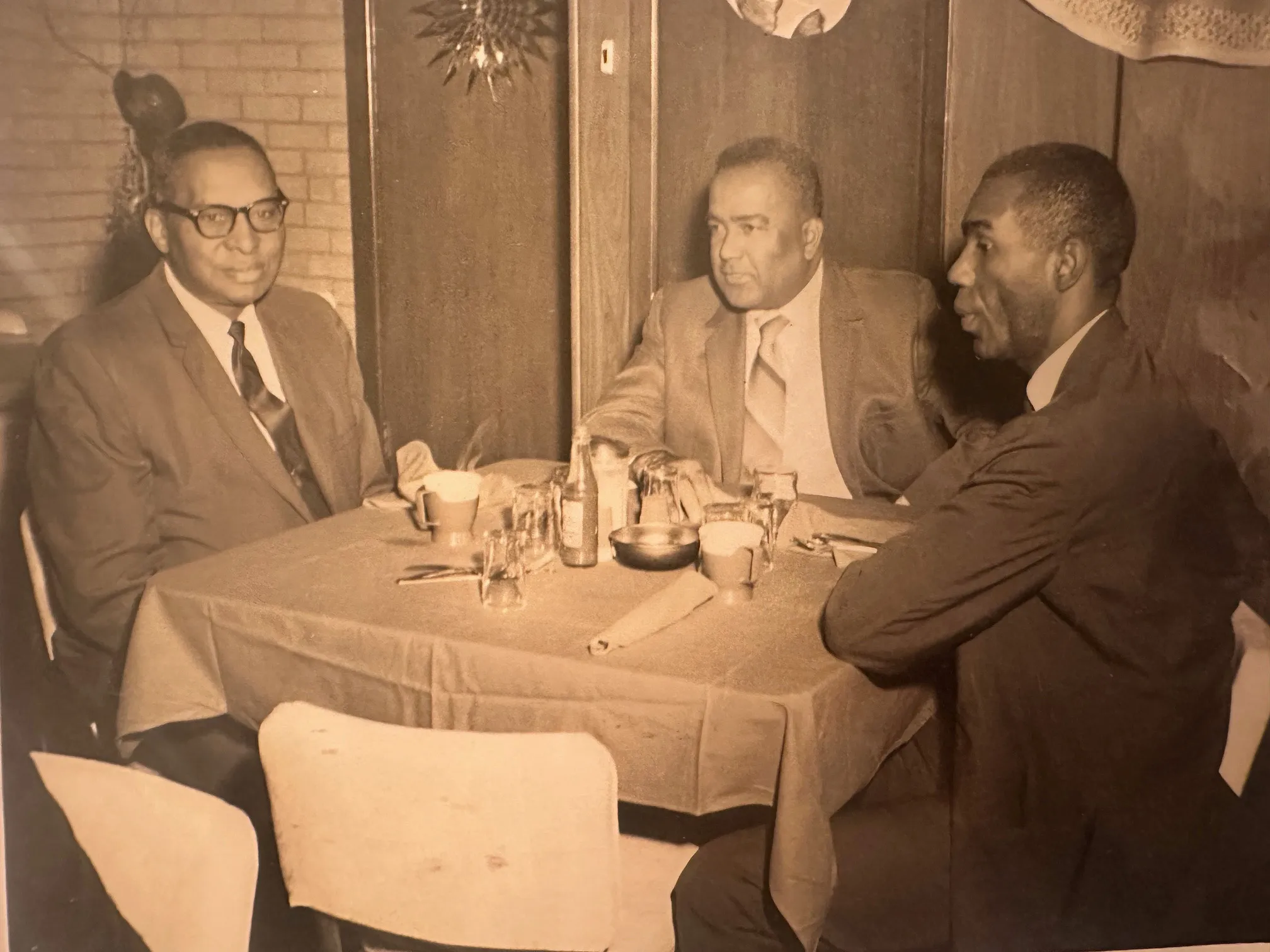
The first meeting was convened at Texas College on Sunday, November 24, 1968 at 7:30 am breakfast.
Men Presented at the meeting were Rev. Clark, Mr. Winn, Mr. Pryor, Father White, Mr. Melontree and Mr. Hillard.
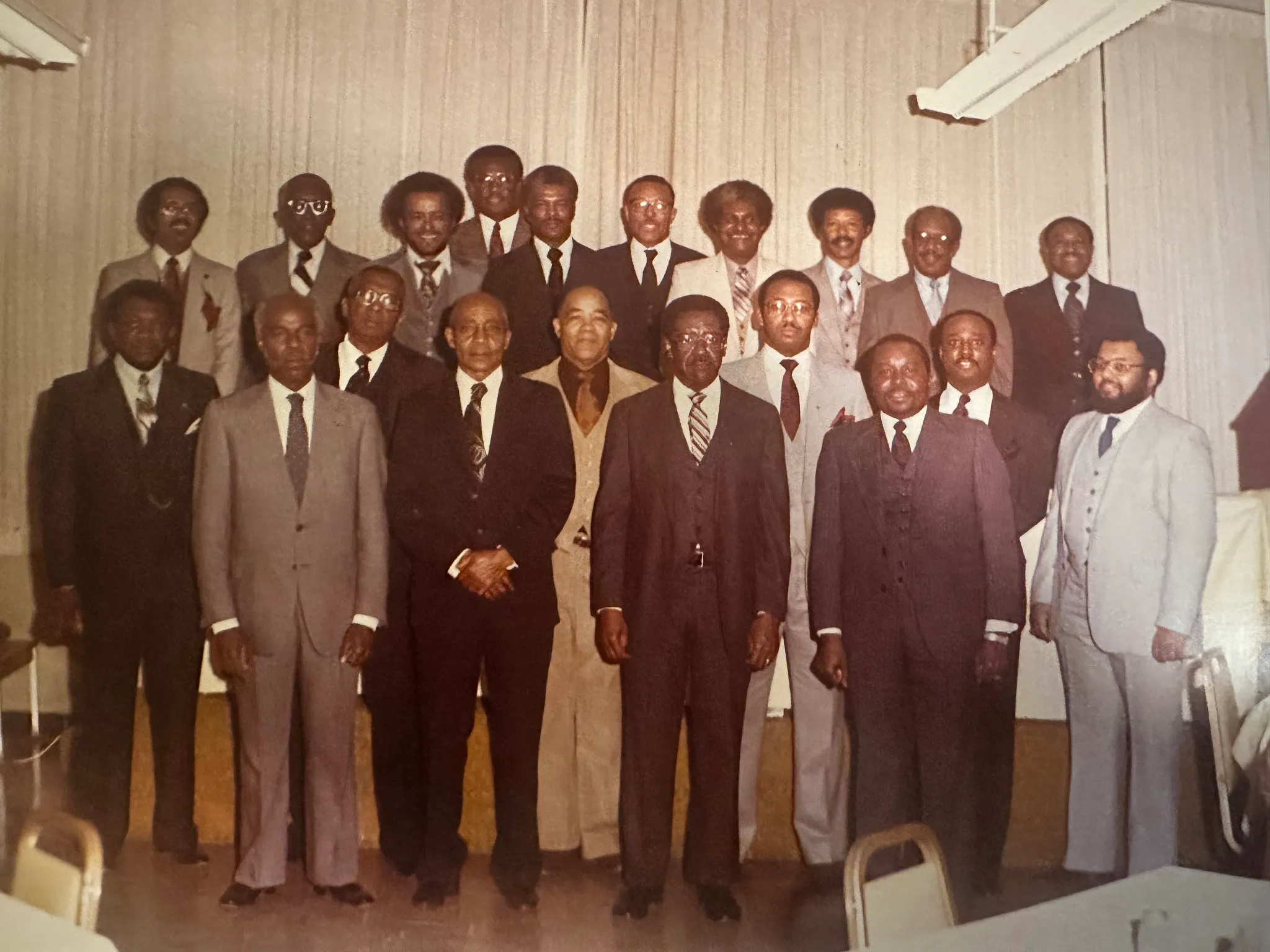
It was the general opinion of the men present that some combined effort should be made in the direction of organizing the men of Tyler for the purpose of providing programs for boys. The three hour discussion included leadership and guidance through a big brother relationship, counseling and communications with the youngster, job opportunities, recreation, Boys Club of America and the possibility of having and Office of the Urban League of Tyler to deal with additional problems of the Community involving the families in poverty and hard-core unemployment.
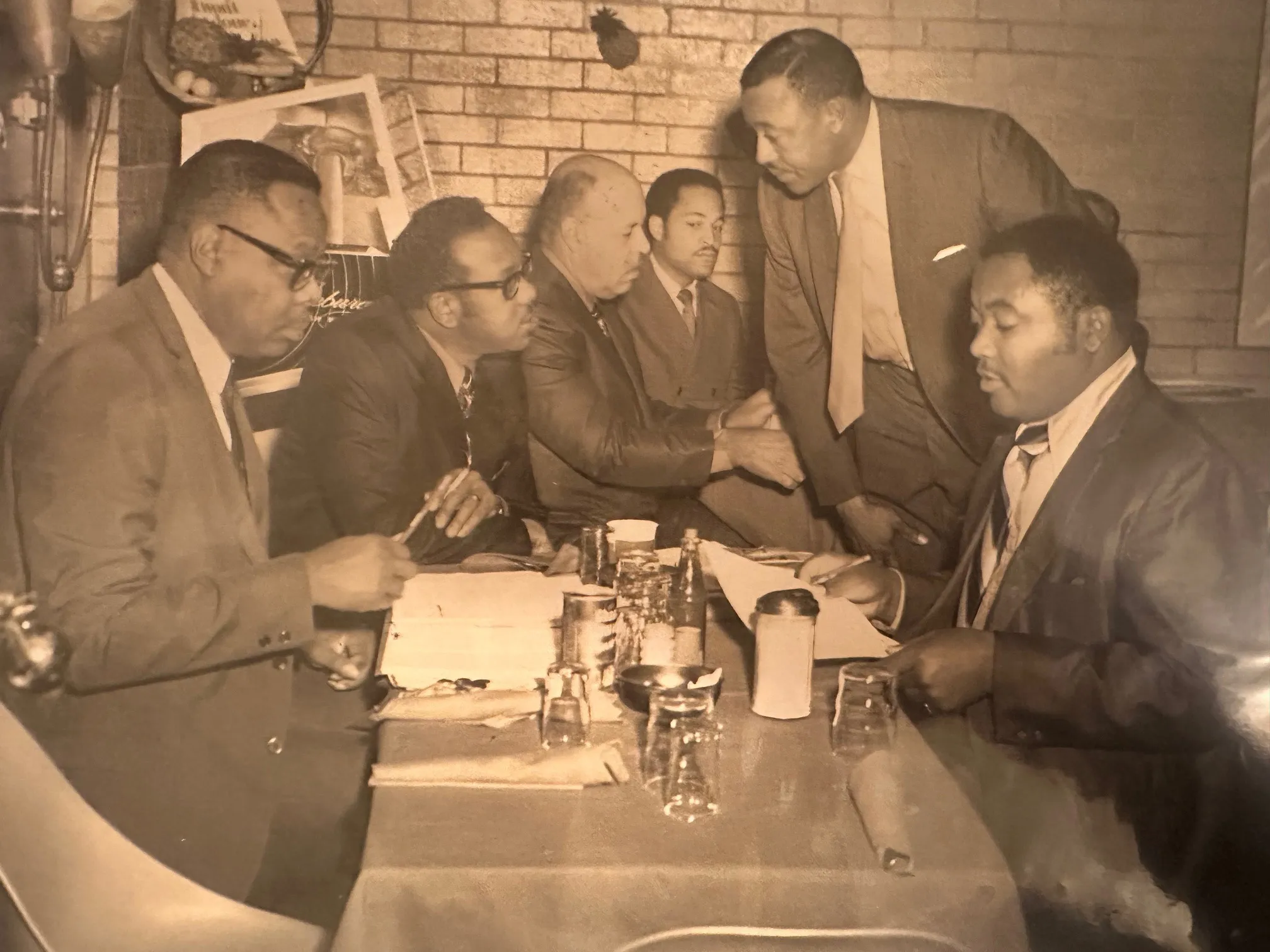
Tyler Organization of Men fought for racial equality in elected offices
Decades after the 15th Amendment made it illegal to deny a citizen the right to vote based on race, African Americans continued to face hurdles limiting elected representation.
In 1969, on the heels of a national civil rights movement, Tyler/Smith County business, education and civic leaders within the African-American community lead a charge for change. It took individuals and creation of a vocal, organized and aggressive group to push implementation of the Voting Rights Act.
Andrew Melontree, 82, a former county commissioner, said the Tyler Organization of Men was born of frustrations with the lethargy of traditional civil rights organizations such as the National Association for the Advancement of Colored People. Those organizations were not pushing implementation of the Voting Rights Act of 1965, which held the promise that minorities could be represented on boards and councils, as aggressively as black leaders in Tyler expected, he said.
The voting act was designed to end discriminatory election practices, such as literacy tests, and helped create voting districts to give minorities equal opportunities for representation.
The act became law in 1965, but it took more than a decade before African Americans were elected in some communities. Tyler's city council members were elected "at-large," which means the top vote-getters won the position. The system and a vastly outnumbered minority made election of an African American practically impossible.
From its birth, the Tyler Organization of Men's mission statement and end goal was to equalize Tyler and Smith County African Americans' opportunity to be heard on matters of education, employment, politics and community, Melontree said.
"We were eager and steadfast in forcing the full limitof the law," Melontree said. "The law was there for us. It was signed in 1965, but we just didn't have the tenacity to push it before that time."
In 1969, Martin Edwards, a local physician, became the first elected minority in Smith County when he won an at-large seat on the TISD board. Melontree said the win took organization catching the opposition off guard to grab the first seat. African American leaders felt emboldened but knew it would take action to gain more positions.
In 1970, three men, Cleotha Whitaker, a local barber, and educators S.E. Palmer and Earnest Square, sued the city of Tyler for creation of single-member districts. Creating districts and drawing lines according to the population and demographic make-ups within geographic areas would open the door for fair representation.